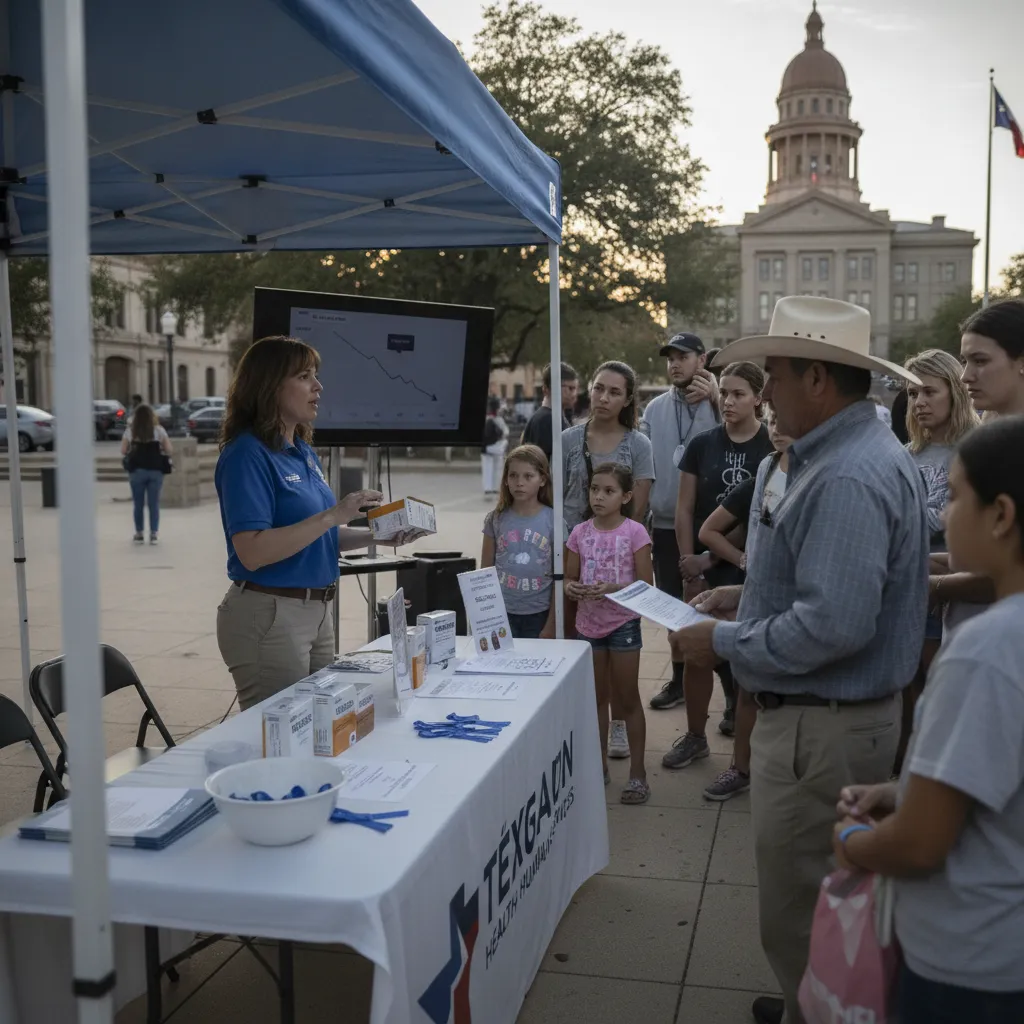
The Texas Health and Human Services Commission is using October’s Fentanyl Poisoning Awareness Month to urge residents to familiarize themselves with critical tools used to prevent and reverse opioid overdoses. This push comes amid a sobering reality regarding the prevalence of synthetic opioids, which are often hidden inside counterfeit pills or mixed into other illegal substances without the user’s knowledge. Governor Greg Abbott described the drug as a clandestine killer, noting that even a single contaminated pill can prove fatal.
To combat this threat, the state continues to promote its One Pill Kills campaign, an aggressive educational effort that has reached billions of people via social media, billboards, and podcasts since it began last year. By providing downloadable materials and public service announcements, officials hope to spark difficult but necessary conversations between families and friends about the risks of accidental poisoning. Executive Commissioner Stephanie Muth emphasized that because fentanyl acts so quickly, immediate recognition and response are the only ways to save lives during an emergency.
Statewide efforts include several layers of support, ranging from initial screenings and assessments for those struggling with addiction to comprehensive recovery services provided through the Texas Targeted Opioid Response program. A cornerstone of these efforts is Naloxone Texas, a partnership with the University of Texas at San Antonio that distributes naloxone, the medication capable of reversing an opioid overdose. The scale of this distribution is massive, with over 222,000 units delivered in the most recent fiscal cycle alone.
These combined strategies appear to be yielding significant results according to data from the Texas Department of State Health Services. Since 2023, fentanyl related deaths in the state have plummeted by 46 percent. The number of fatalities dropped from 2,307 down to 1,254 by 2025, suggesting that increased access to reversal medications and heightened public awareness are successfully curbing the crisis across the Lone Star State.