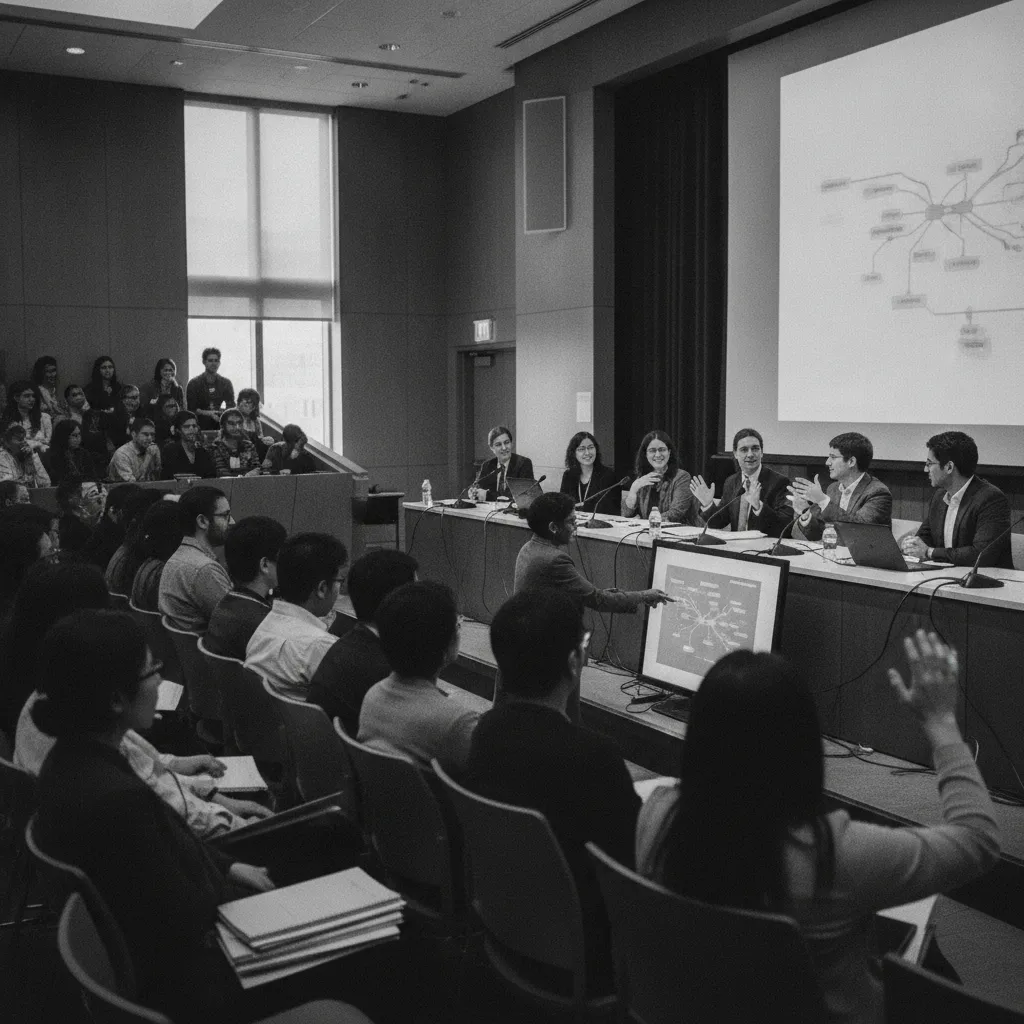
Since its inception in 2015, the MIT Aging Brain Initiative has operated on the belief that neurodegenerative conditions like Alzheimer’s are not simple malfunctions but complex, system-wide failures. This philosophy was on full display during a recent symposium where scientists and engineers gathered to showcase how crossing traditional academic boundaries can lead to breakthroughs in brain health. According to director Li Huei Tsai, the initiative succeeds specifically because it blends expertise from neuroscience, chemistry, and engineering to tackle problems that a single field cannot solve alone.
One of the most ambitious projects highlighted involves the use of artificial intelligence to personalize dementia care. A collaborative team led by Giovanni Traverso and others developed an AI model known as FINGERS 7B, which processes trillions of data tokens ranging from genetic markers to personal lifestyle histories. By analyzing this massive dataset, the system aims to predict how an individual’s disease will progress and match them with the most effective prevention strategies. Beyond helping patients, this tool could revolutionize clinical trials by identifying the exact populations most likely to benefit from new medications.
Innovation extended beyond long term disease management into immediate surgical safety and cellular modeling. Professor Earl K Miller discussed a new closed loop system designed to reduce postoperative delirium in elderly patients by monitoring brain waves in real time to optimize anesthesia dosing. Meanwhile, Ritu Raman presented her work creating sophisticated lab models of muscle tissue integrated with nerves and blood vessels. Using stem cells from actual patients, her team can observe how neuromuscular junctions react to potential therapies for ALS and muscular dystrophy without risking patient safety in early stages of testing.
The symposium also leaned heavily into chemistry to visualize and prevent brain decay. Researchers Oleta Johnson and Alan Jasanoff shared their respective efforts to stop toxic protein aggregation before it begins and create novel chemical probes that make hidden brain molecules visible via MRI scans. Adding another layer of complexity, Laura Kiessling explored the role of glycans, specialized sugars on cell surfaces that may play a critical part in Alzheimer’s pathology. Together, these diverse approaches illustrate a shift toward a more holistic understanding of the aging brain as a biological puzzle requiring every available scientific tool to solve.