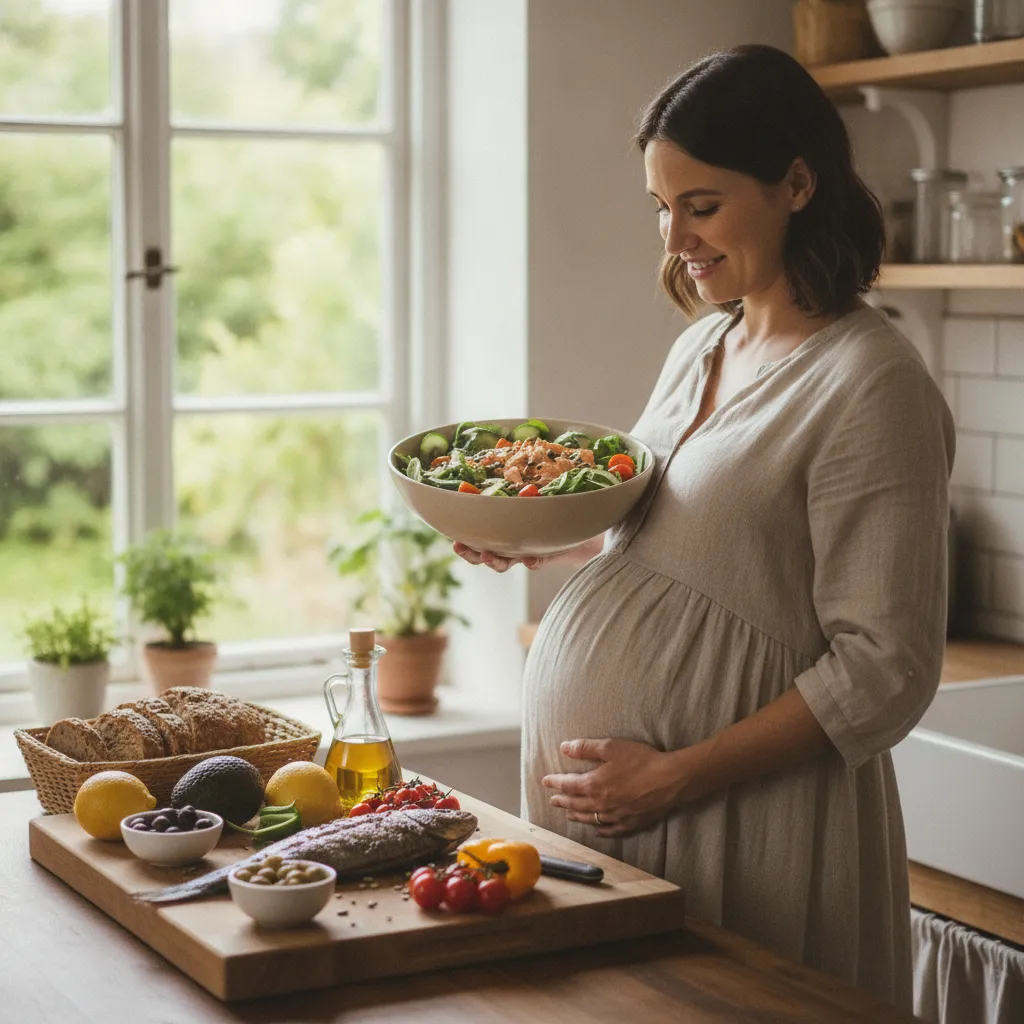
Expectant mothers looking to give their children a healthier start might find the answer in a Mediterranean style of eating. A new study conducted by experts at the Harvard T.H. Chan School of Public Health, Boston Children’s Hospital, and the Harvard Pilgrim Health Care Institute suggests that diets rich in fruits, vegetables, whole grains, and healthy fats during pregnancy are linked to a lower risk of infants developing both colic and eczema. While previous research typically looked at what mothers eat after birth or which formula to choose, this study shifts the focus toward the prenatal period to see how early nutrition shapes a baby’s health.
The research team analyzed data from over 1,300 pregnant women in Eastern Massachusetts, tracking their food intake using specific scoring systems for nutritional quality and inflammation. They discovered a striking correlation between seafood consumption and infant wellness, noting that every single weekly serving of fish or shellfish eaten by a mother was associated with a 25 percent drop in the likelihood of her child suffering from combined colic and eczema. Interestingly, other common allergens like eggs, dairy, and nuts did not show similar protective effects.
Medical professionals say these findings are particularly important because infants who struggle with both colic and eczema may face a higher risk of developing lifelong allergies, including asthma and seasonal rhinitis. Dr. Jenifer Lightdale noted that this is the first time researchers have specifically asked how prenatal diet influences this combination of conditions. The benefits appeared most pronounced for mothers who already had their own histories of allergic conditions, suggesting that targeted nutrition could be especially vital for high risk pregnancies.
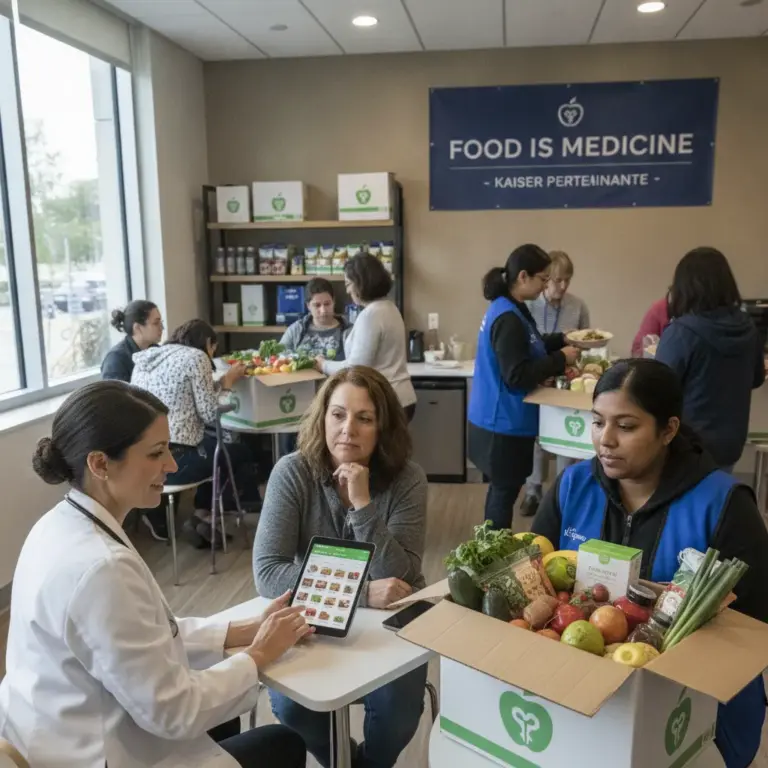
Despite these promising results, lead author Emily Oken emphasized that access to fresh, healthy food remains a significant hurdle for many families due to financial constraints. She hopes the findings will encourage broader systemic support through federal programs like WIC and SNAP or food as medicine initiatives provided by health insurance plans. By reducing structural barriers to nutritious produce and seafood, healthcare providers can help more expectant mothers implement these dietary changes for the benefit of their future children.